Hedge Trimming in Southfields

Keep hedges neat, controlled and in good shape with our hedge trimming in Southfields. We work on formal garden boundaries, mixed planting and taller screening hedges, shaping growth with care so the finished result looks even and maintains the line you want. The service suits routine upkeep as well as heavier cut-backs where hedges have drifted beyond their intended size and need measured attention rather than a rough skim.
Our approach is practical and tidy. We aim for clean cuts, sensible shaping and a finish that supports healthy regrowth, while keeping the surrounding garden as orderly as possible. Different hedges call for different handling, so we consider the plant type, season and desired appearance before work begins. If you are comparing options or planning a larger tidy-up, see our services overview for the wider range of garden work we can provide.
For a straightforward first conversation, tell us roughly what needs trimming, how tall or wide the hedge is, and whether you want it reduced, reshaped or simply maintained. That helps us understand the job properly and prepare a sensible quotation. When the hedge forms part of a bigger garden project, we can also look at the work alongside garden maintenance so the result feels joined up rather than piecemeal.
Regular hedge care and shaping
Hedges often look best when they are trimmed before they become too dense or uneven. Regular cutting encourages a more controlled outline and can make it easier to keep paths, borders and entrances open. We can shape hedges to suit a formal front garden, soften a boundary line or simply restore a crisp edge where growth has started to blur the original form. The main aim is to leave the hedge looking deliberate, not hacked back.
Different species react differently to trimming, so timing and technique matter. Some hedges respond well to lighter, more frequent work, while others need less regular but more considered reduction. We keep the trimming focused on the plant’s structure, which helps avoid bare patches and excessive stress. If the hedge sits alongside lawns or planting beds, a coordinated visit with lawn mowing can help the whole outdoor space look finished in one pass.
What regular trimming can help with
- Keeping formal lines sharp and visually even
- Managing overgrowth before it becomes harder to control
- Maintaining usable width along paths, drives and garden edges
- Refreshing the appearance of tired or uneven hedge sections
Reduction, reshaping and tidier boundaries

Some hedges need more than a light trim. If a hedge has become too tall, too wide or misshapen, reduction work can bring it back under control in a measured way. The approach depends on the hedge’s condition and the result you want to achieve, because some plants can tolerate more substantial cutting than others. We aim to reduce size without stripping away the structure that gives the hedge its density and long-term value.
We also handle reshaping where a hedge has drifted away from a clear line. That might mean restoring a straight top, easing an uneven side, or re-establishing a cleaner profile after a period of neglect. In gardens where hedges act as boundary markers, the finishing detail matters as much as the cut itself. If the hedge sits in a garden that needs wider clearance before trimming can be done properly, garden clearance may be a useful supporting service.
Reduction work is often best treated as part of a broader plan rather than a one-off correction. A hedge reduced too aggressively can look sparse or lose its intended screening effect, while a careful staged approach can keep it functional and attractive. We assess the visible form, any awkward growth and the space available, then trim accordingly. Measured handling is usually better than over-cutting when the goal is a smart, lasting finish.
Site conditions and access around the hedge

Hedge trimming is rarely just about the hedge itself. Access, surrounding planting and nearby surfaces all affect how the work is carried out. Narrow side passages, delicate borders and paved paths may call for a more controlled approach so the final result stays neat without disturbing the rest of the garden. We take account of the space available and work with the layout rather than forcing a single method onto every site.
Where hedges run close to fences, walls or larger planting schemes, the finish needs to be balanced. A hedge that looks level from one side may need careful correction from the other to avoid leaving awkward protrusions. For gardens with mixed tree and shrub growth, it can help to combine trimming with selective woody cutting through tree lopping and removal when branches are interfering with the hedge line or making routine maintenance more difficult.
To keep the process smooth, it helps if access is clear and any fragile items are moved out of the immediate work area. A brief description of the hedge, plus an idea of where it sits in the garden, is usually enough to start a quotation. If the work forms part of a larger plan for the outside space, landscape gardening may be relevant where structural changes or wider improvements are being considered alongside the trimming.
Keeping the finish tidy
Good hedge trimming does not end when the cutting stops. A tidy finish includes attention to the surrounding area, especially where clippings may gather on lawns, patios or along borders. We work with care so the hedge is shaped cleanly and the garden is left as orderly as possible. That attention to detail matters just as much on small decorative hedges as it does on larger boundary screens.
Because every hedge grows differently, the best result is usually one that balances form with health. A very hard cut may give a temporary reduction in size, but it is not always the best choice for density or appearance. When needed, we can talk through the likely effect of a lighter or firmer trim and help you choose the direction that fits the hedge. For customers planning a more substantial outside refresh, landscaping can sit alongside hedge work where changes to beds, borders or layouts are part of the same project.
Useful questions to consider before requesting a quotation: how tall is the hedge now, what finish do you want, and is there any section that needs special attention? Those details make it easier to provide a sensible estimate and avoid unnecessary back-and-forth. If you already know that trimming will be part of a wider garden plan, mention that too so we can consider the work together rather than separately.
Why hedge shape matters

A well-shaped hedge does more than look smart. A consistent outline can make a garden feel calmer, more ordered and easier to maintain over time. In practical terms, trimming is also about keeping growth within the space available and preventing a hedge from crowding nearby features. When the shape is managed properly, the hedge can continue to do its job as a boundary, screen or design element without dominating the garden.
Hedges that are trimmed with care are often easier to maintain on future visits, because the line remains visible and the structure stays more predictable. This is one reason many customers prefer regular maintenance rather than waiting for a hedge to become unruly. If your outdoor space needs a broader seasonal tidy rather than hedge work alone, garden clearance and trimming can be planned together to keep the site manageable and well presented.
Where access is awkward or the hedge has multiple sections, we look at the work in practical stages. That might mean prioritising the most visible faces first, then refining the remaining sides so the whole hedge reads as one piece. This kind of measured handling helps create a balanced finish, especially on boundary lines that are seen from both inside and outside the property.
What influences a quotation
Quotation details usually depend on a few straightforward factors: the hedge’s height and length, how dense it has become, the level of reduction needed and the ease of access around it. A hedge that simply needs a tidy trim will often involve different work from one that needs reshaping or bringing back from overgrowth. By understanding the scope early, we can keep the quotation clear and appropriate to the task.
It also helps to know whether clippings need to be collected, whether the hedge has more than one face to cut, and whether any adjacent features require extra care. If the job forms part of planned improvements, a wider service may be useful for comparison, and our pricing and quotes page gives a practical place to start that conversation. Clear details usually lead to a clearer estimate.
For the best starting point, send a brief description of the hedge and the result you want. If you prefer, you can also mention whether you are seeking a routine trim, a reduction or a one-off tidy-up after a period of neglect. Get in touch when you are ready, and ask for a quotation based on the work you need rather than a generic estimate.
Further garden services that may help
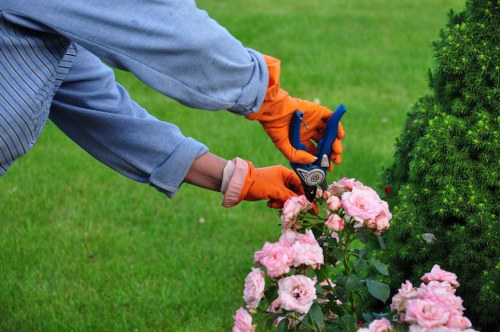
Although hedge trimming is the main focus here, some gardens benefit from related services at the same time. A boundary hedge may need support from wider maintenance work, while other parts of the outdoor space may need mowing, clearance or selective pruning to bring the full picture under control. Choosing the right combination can make the result feel more cohesive and reduce the need for follow-up tidying.
Where a hedge is part of a larger garden improvement, the surrounding layout may also matter. In those cases, services such as landscape gardening can be relevant if you are considering changes to borders, paths or planting structure. If your priority is simply to keep the garden straightforward and manageable, a mix of trimming and maintenance may be enough to restore order without changing the overall design.
For a broader view of the available work, you can also look at our services overview and decide what fits best. If you would like to move ahead with hedge trimming in Southfields, contact us and request a quotation. We will use the details you provide to understand the job clearly and respond with the next step.
About Southfields
Southfields is a district in southwest London, closely associated with the London Borough of Wandsworth and positioned between Wimbledon Park, Earlsfield and Putney. Its street pattern reflects layers of suburban development, with terraces, mansion blocks and later housing set around local shopping streets and quieter residential roads. The area is best known for its connection to Wimbledon and the annual tennis championship, with Southfields station serving as a key local transport point on the District line. That station gives the district a distinct rhythm, especially during major sporting events when the neighbourhood forms part of the wider route to the All England Lawn Tennis Club. Beyond that seasonal association, Southfields has the feel of a settled residential place with everyday amenities, independent shops and community facilities that support local life throughout the year.
Trimming styles for different hedge types
Not every hedge should be cut in the same way. Formal hedges usually benefit from straight, even surfaces and sharp edges, while looser boundary planting may suit a softer shape that still keeps growth in check. We adapt the trimming method to the hedge’s purpose, so the result looks appropriate rather than forced. That means thinking about how the hedge sits in the garden and how it is seen from different angles.
For denser hedges, controlled thinning may occasionally be needed to help light and air reach the interior growth, though this must be handled carefully and only where suitable for the plant type. A purely cosmetic trim can improve appearance for the short term, but a thoughtful cut can also support a healthier structure in the longer term. Where you want the hedge to remain a strong boundary feature, the balance between neatness and substance matters more than a quick uniform cut.
When a lighter trim is enough
A lighter trim is often the right choice where the hedge already has a good shape and simply needs its outline refreshed. It can be especially useful for routine upkeep, keeping the top level and the sides even without changing the hedge’s overall size. In many gardens, that steady approach is the most practical way to preserve appearance while avoiding unnecessary stress on the planting.
Planning work around the seasons
Seasonal timing can influence how hedge trimming is carried out and how often a hedge should be revisited. Some hedges are best maintained with regular, lighter trimming during the growing period, while others are better suited to less frequent intervention. We keep the focus on a finish that suits the hedge in front of us, rather than forcing a one-pattern approach onto every garden.
It is also worth considering how hedge work fits with the rest of the outdoor space across the year. A neat hedge can frame planting, set off lawns and help the rest of the garden feel more controlled. Where broader improvement is needed, related support such as garden maintenance can help keep the space presentable between major visits. That can be especially useful when the garden contains several features that need attention at different times.
If you are arranging the work as part of a seasonal tidy, keep the request concise: include the hedge type if you know it, the current condition and the desired finish. That is usually enough to start a clear quotation. You can then decide whether the hedge should be maintained regularly or brought back into shape as a one-off job.
Getting started with a quotation
When you ask for a quotation, it helps to be specific about what you want the hedge to look like after trimming. A simple tidy, a reduction in height, a reduction in width or a more careful reshaping all involve different amounts of work. If you have multiple hedge sections, mention whether they are all to be treated the same way or whether some need a different finish. That makes the quote more useful from the outset.
We also recommend noting anything that affects access, such as narrow side passageways, steps, parked vehicles or nearby features that need special care. If you are unsure whether the hedge needs trimming alone or trimming plus wider garden attention, an initial conversation can help narrow it down. For wider boundary or structure work, landscape gardening may be worth considering alongside the hedge job.
Ready to proceed? Ask for a quotation for hedge trimming in Southfields and send the basic details in one message. We will use that information to understand the work and help you choose the right level of service.